
Customizing Plantation Shutter Frameworks by Libertyshutters llc
Plantation shutters are a sophisticated choice for enhancing home decor and offering practical light control. With various shutter frame styles and trim options available, it’s essential to choose the right combination to elevate the interior design of any space. This guide delves into the most popular plantation shutter frame styles, trim options that enhance their appearance, and the functionality of tilt bar designs. Understanding the characteristics of different materials is also crucial for durability and performance. Additionally, we will provide insights on installation considerations and tips for selecting the right shutters for your home. Let’s explore these aspects in detail to make informed decisions that blend beauty with functionality.
What Are the Most Popular Plantation Shutter Frame Styles?
Plantation shutter frames are designed to blend aesthetics with functionality, offering various styles to complement different decor themes. Commonly, these frames are categorized into distinct styles based on design and construction, each with its own unique benefits.
How Do Louvered, Raised Panel, and Beadboard Shutter Frames Differ?
Louvered shutter frames feature angled slats that allow for adjustable light control and airflow, making them a popular choice for practicality. Raised panel frames offer a more traditional and robust appearance, enhancing visual interest and depth within a room. Beadboard frames, characterized by their vertical grooves, impart a charming cottage feel, perfect for coastal or rustic designs. Each style serves a different aesthetic, allowing homeowners to select based on personal style and functional needs.
Which Frame Styles Suit Various Interior Design Themes?
Choosing the right frame style can significantly impact the ambience of a room. For modern and minimalist interiors, louvered frames add a sleek touch while maintaining functionality. In contrast, raised panel frames are better suited for traditional or transitional designs, providing a sense of elegance and timelessness. Beadboard frames can effortlessly fit into coastal or farmhouse aesthetics, creating a cozy and inviting atmosphere. Ultimately, aligning frame styles with existing decor ensures a cohesive look throughout the home.
What Window Shutter Trim Options Are Available and How Do They Enhance Appearance?
The trim around plantation shutters plays a vital role in their overall appearance, providing both a decorative and functional aspect to window treatments. Various trim options can enhance the style of shutters while contributing to the structural integrity of the installation.
What Are Common Plantation Shutter Trim Types: Casing, Stool, and Apron?
Casing trim, typically surrounding the shutter frame, adds a polished finish and frames the window elegantly. Stool trim lies at the window sill level, offering a suitable resting place for items and enhancing functionality. Apron trim, mounted below the stool, adds depth and visual interest, often elevating the overall design of the window treatment. Together, these trims create a sophisticated look while addressing practical considerations like light control and ease of maintenance.
How to Choose Custom Shutter Moldings for Unique Trim Profiles?
When opting for custom moldings, homeowners can create unique trim profiles that reflect their personal style. Factors to consider include the overall architectural style of the home, desired depth of the trim, and any existing window treatments. Custom profiles can highlight specific design elements within a room, such as crown molding or wainscoting, thereby ensuring that the shutters integrate seamlessly with the broader decor. Working with professionals can help accrue the best results in custom molding selection.
Which Tilt Bar Styles and Positions Improve Shutter Functionality and Style?
Tilt bars play an essential role in the operation and aesthetics of plantation shutters. Selecting the right tilt bar style and position can greatly enhance both functionality and visual appeal.
What Are the Differences Between Center, Hidden, and Minimalist Tilt Bars?
Center tilt bars are the traditional option, providing a straightforward mechanism for adjusting the slats. Hidden tilt bars, located on the rear of the shutter panels, offer a clean look and ensure that the focus remains on the beautiful design of the shutters. Minimalist tilt bars simplify the design further, often resulting in a more contemporary aesthetic. When choosing a tilt bar style, consider the desired balance between functionality and design cohesion within the space.
How Does Tilt Bar Position Affect Light Control and Aesthetics?
The position of the tilt bar can significantly influence how light enters a room. Central tilt bars allow for even slat rotation, contributing to consistent light control. In contrast, hidden tilt bars can result in slight variations in slat alignment, impacting light diffusion. It’s essential to weigh aesthetic preferences against functional needs when determining the ideal tilt bar position for plantation shutters.
What Are the Best Shutter Frame Materials and Their Performance Characteristics?
Selecting high-quality materials for shutter frames is vital for ensuring durability and performance. Different materials offer varying benefits in terms of style, maintenance, and longevity.
How Do Wood, Composite, and Vinyl Materials Compare for Plantation Shutters?
Wood is revered for its natural beauty and classic aesthetic, although it may require more maintenance to preserve its appearance. Composite materials, a blend of wood and synthetic materials, offer durability and resistance to moisture, making them suitable for humid environments. Vinyl shutters are the most low-maintenance option and come in various styles, although they may lack the upscale look of wood. Understanding the performance characteristics of each material can help homeowners make informed decisions that align with their lifestyles and environment.
What Are Eco-Friendly and Durable Material Trends for 2024 and Beyond?
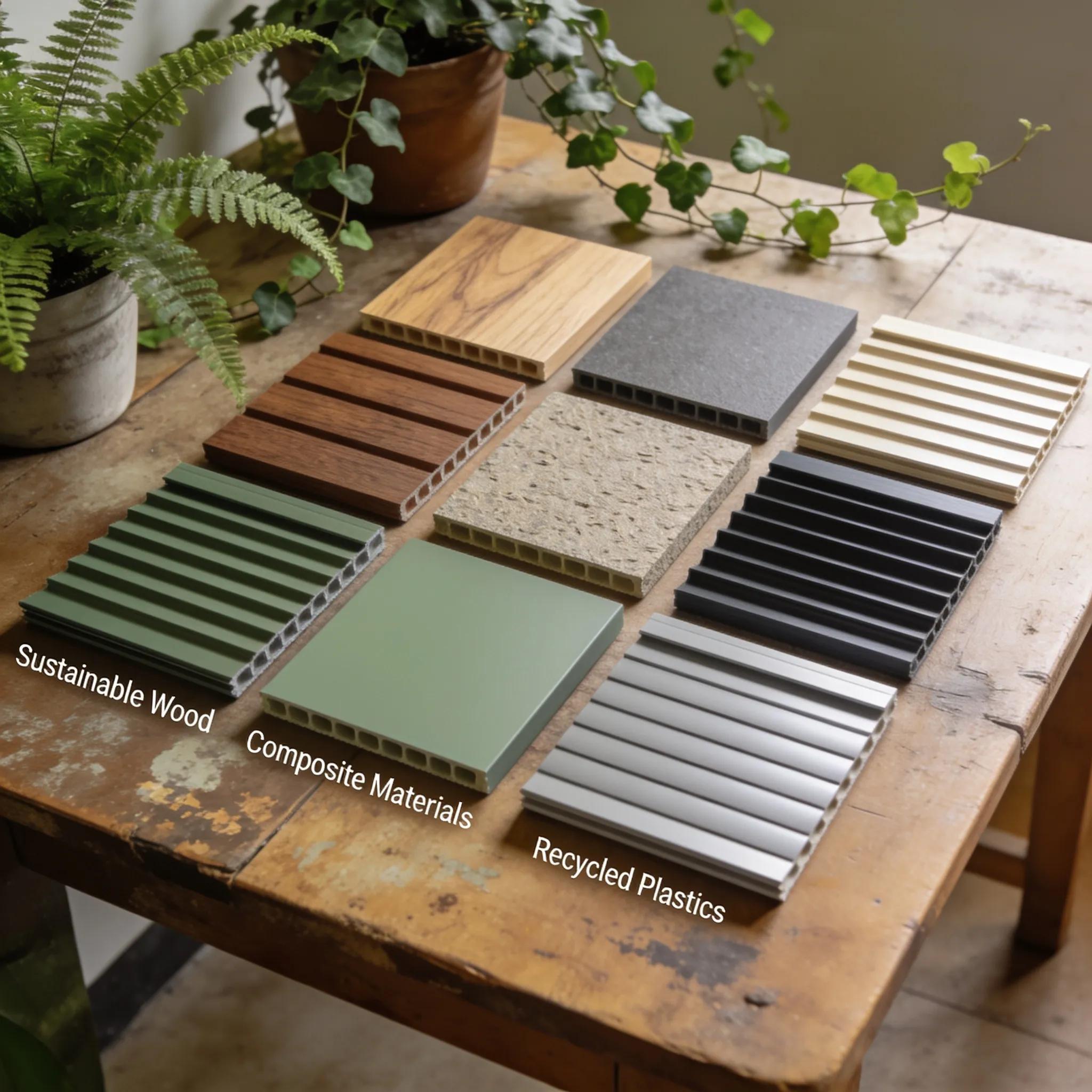
In recent years, there has been a trend towards using eco-friendly materials in shutter manufacturing. This includes sustainable wood sources and alternatives such as recycled plastics that reduce environmental impact while still providing durability. Homeowners are increasingly prioritizing sustainability without sacrificing quality or style, reflecting a growing awareness of ecological responsibility in home improvement projects.
What Installation Considerations Affect Shutter Frames and Trim Options?
Proper installation is crucial for ensuring the performance and appearance of plantation shutters. Several factors come into play, including installation methods and material compatibility.
Which Installation Methods Best Suit Different Frame Styles and Materials?
The installation method can vary significantly based on the chosen frame style and material type. For wooden frames, traditional mounting methods may be appropriate, whereas composite and vinyl frames often allow for easier, screw-less installations. It’s essential to consult with professionals who can recommend the best practices based on the chosen materials and styles to ensure a flawless fit.
What Accessories and Tools Ensure Proper Shutter Trim and Frame Fit?
Using the right accessories and tools will enhance the installation process. Essential items include mounting brackets, hinges, and quality fasteners specifically designed for the material used. Leveling tools and shims can help ensure correct placement and alignment, minimizing gaps and ensuring smooth operation of the shutters. Having the proper tools on hand can lead to a successful installation, enhancing both function and appearance.
How to Choose the Right Plantation Shutter Frames and Trim Options for Your Home?
Selecting the ideal plantation shutter frames and trim options requires careful consideration of various factors to ensure a perfect match for your home.
What Factors Should Homeowners Consider When Selecting Frame Styles and Trims?
When choosing frame styles and trims, homeowners should consider their existing interior design theme, desired functionality, and personal preferences. Factors like color, texture, and finish will play vital roles in ensuring the shutters complement the room. Additionally, considering the amount of light control required, maintenance levels, and durability will help narrow down the best options.
Where Can You Find Custom Molding and Quality Materials for Your Shutters?
Finding quality materials and custom molding can be achieved through various local suppliers and specialists in window treatments. Trusted manufacturers often provide a range of styles and customizable options, ensuring that homeowners can find exactly what they need to create a personalized look. Researching reputable companies and visiting showrooms can also offer inspiration and insight into the most current designs and materials available on the market.
Our Articles
Plantation Shutters in Port St. Lucie, FL: Custom Window Coverings
Port St. Lucie homes deserve professional quality plantation shutters that enhance style and functionality. Upgrade your living space with elegance today!
Shutter Pricing, Quotes & Financing
Shutter Pricing, Quotes & Financing in LS16: Complete Guide to Costs and Payment Options Understanding shutter pricing, quotes, and financing options can feel overwhelming for homeowners. However, having the right information can streamline the decision-making process and ensure you receive the best value for your investment. This comprehensive guide delves into the costs associated with…
Shutter Hardware and Accessory Guide
Complete Shutter Hardware and Accessory Guide: Installation, Adjustment, and Maintenance Tutorial Shutter hardware consists of various components that serve essential functions in the proper operation and longevity of shutter systems. Understanding the types of hardware available, from hinges to tracks, allows homeowners and builders to make informed decisions regarding installation and maintenance. This guide aims…